10 Best Kids Development Activities for Smart Learning
Table of Contents
Introduction
Every parent wants their child to grow into a confident, intelligent, and happy individual. One of the best ways to support this journey is through kids development activities that encourage learning while keeping children engaged and entertained. From simple games and creative crafts to outdoor play and educational exercises, these activities help children develop essential life skills in a fun and natural way.
Kids development activities play an important role in improving cognitive abilities, communication, creativity, physical coordination, and emotional well-being. Instead of relying only on traditional learning methods, children learn more effectively when they explore, experiment, and play. Every small activity contributes to their overall growth and prepares them for future academic and personal success.
Whether your child is a toddler, preschooler, or school-going kid, choosing age-appropriate activities can make learning enjoyable while building confidence and independence. In this blog, you’ll discover the best kids development activities, their benefits, and practical tips to help your child reach important developmental milestones.
What Are Kids Development Activities?
Kids development activities are enjoyable and meaningful tasks designed to support a child’s overall growth. These activities focus on improving physical, mental, emotional, social, language, and cognitive development through play, creativity, exploration, and hands-on learning experiences.
Unlike traditional classroom learning, development activities encourage children to actively participate in solving problems, expressing their thoughts, exploring new ideas, and interacting with the world around them. They help children build important life skills while making learning exciting and stress-free.
Parents, teachers, and caregivers can easily include these activities in a child’s daily routine using simple toys, books, puzzles, music, outdoor games, art supplies, and everyday household items. The goal is to make learning enjoyable rather than forcing children to memorize information.
Consistent participation in kids development activities helps children become curious learners, confident communicators, creative thinkers, and independent problem solvers.
Definition of Kids Development Activities
Kids development activities are structured or unstructured learning experiences that help children improve their intellectual, physical, emotional, language, social, and creative skills through fun, engaging, and age-appropriate experiences. These activities support healthy childhood development while encouraging curiosity, confidence, and lifelong learning.
Why Are Kids Development Activities Important?
The early years of childhood are the foundation of lifelong learning and development. During this stage, a child’s brain develops rapidly, making it the perfect time to introduce meaningful learning experiences.
Kids development activities provide opportunities for children to explore their interests, develop essential skills, and gain confidence through practical experiences. Instead of learning by memorizing facts, children understand concepts more effectively when they play, observe, experiment, and interact with others.
Regular participation in development activities also strengthens the bond between parents and children. Reading together, solving puzzles, building blocks, or playing outdoor games create valuable moments that support emotional security and trust.
These activities prepare children for school by improving concentration, listening skills, communication, teamwork, and problem-solving abilities. Most importantly, they help children develop a positive attitude toward learning that continues throughout their lives.
Learning Through Play
Children naturally learn by playing. Every game, toy, story, or creative activity offers an opportunity to discover something new. Learning through play allows children to develop essential skills without feeling pressured or overwhelmed.
When children build towers using blocks, they learn balance, planning, and spatial awareness. Drawing and coloring improve creativity and fine motor skills. Outdoor games strengthen physical fitness while teaching teamwork and cooperation. Pretend play encourages imagination, communication, and emotional expression.
Learning through play also improves memory, attention span, decision-making, and confidence. Since children enjoy these experiences, they remain motivated to participate and continue learning every day.
This playful approach makes kids development activities one of the most effective ways to support healthy child development.
Suitable Age Groups for Kids Development Activities
One of the greatest advantages of kids development activities is that they can be adapted for children of different ages.
Toddlers (1–3 Years)
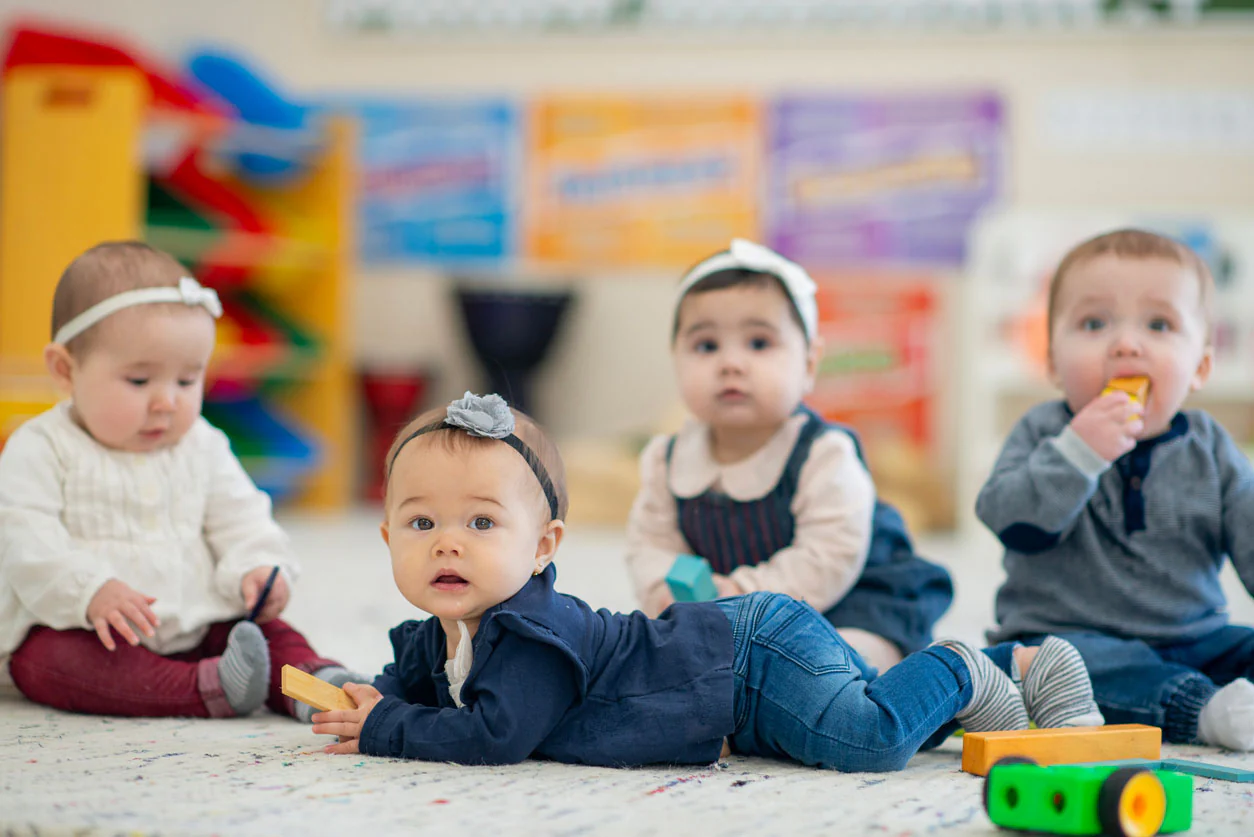
Simple activities like stacking blocks, sensory play, shape sorting, singing rhymes, and picture books help develop motor skills and language abilities.
Preschoolers (3–5 Years)
Children at this stage enjoy puzzles, coloring, storytelling, pretend play, counting games, and creative crafts that improve imagination and early learning skills.
School-Age Children (6–12 Years)
Older children benefit from science experiments, educational board games, reading, coding basics, sports, music, and problem-solving activities that enhance critical thinking and independence.
Choosing activities based on a child’s age, interests, and abilities ensures they remain motivated while continuously developing new skills.
Major Benefits of Kids Development Activities
Participating in kids development activities offers countless benefits that support every aspect of a child’s growth.
Some of the most important benefits include:
- Improves brain development and memory.
- Builds fine and gross motor skills.
- Encourages creativity and imagination.
- Develops communication and language skills.
- Strengthens emotional intelligence.
- Increases self-confidence.
- Improves concentration and focus.
- Teaches teamwork and social interaction.
- Enhances problem-solving and decision-making abilities.
- Creates a lifelong love for learning.
When children participate in engaging activities every day, they become more confident, curious, and eager to explore the world around them.
Top 10 Kids Development Activities
Children learn best when they are actively engaged in fun and meaningful experiences. The right kids development activities not only keep children entertained but also help improve their physical, emotional, cognitive, and social skills. Below are ten highly effective activities that parents and teachers can easily include in a child’s daily routine.
1. Reading Story Books
Reading story books is one of the most valuable kids development activities because it introduces children to new words, ideas, and experiences. Stories improve vocabulary, listening skills, imagination, and comprehension while encouraging a lifelong love for reading.
Parents can make story time more interactive by asking questions, discussing characters, and encouraging children to predict what happens next. Reading together also strengthens the emotional bond between parents and children and creates positive learning experiences.
Benefits of reading story books:
- Improves language and communication skills.
- Develops imagination and creativity.
- Enhances memory and concentration.
- Encourages empathy and emotional understanding.
- Builds strong reading habits from an early age.
2. Building Blocks
Building blocks are classic educational toys that help children develop creativity and logical thinking. As children stack, arrange, and build different structures, they learn about shapes, sizes, balance, and spatial awareness.
This activity also improves fine motor skills, hand-eye coordination, patience, and problem-solving abilities. Children enjoy experimenting with different designs, making building blocks one of the most enjoyable learning experiences.
Benefits of building blocks:
- Strengthens fine motor skills.
- Encourages creative thinking.
- Improves hand-eye coordination.
- Develops problem-solving abilities.
- Teaches patience and planning.
3. Drawing and Coloring
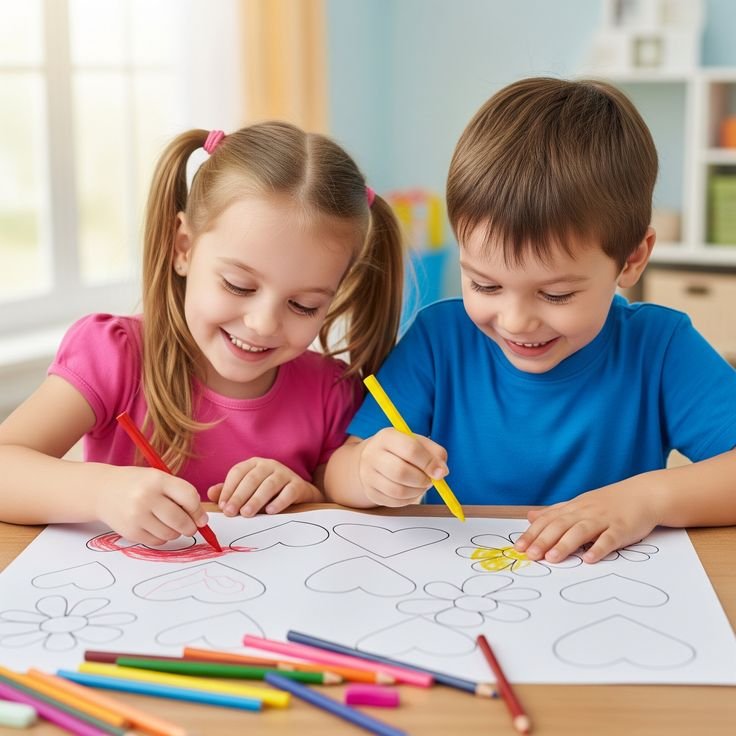
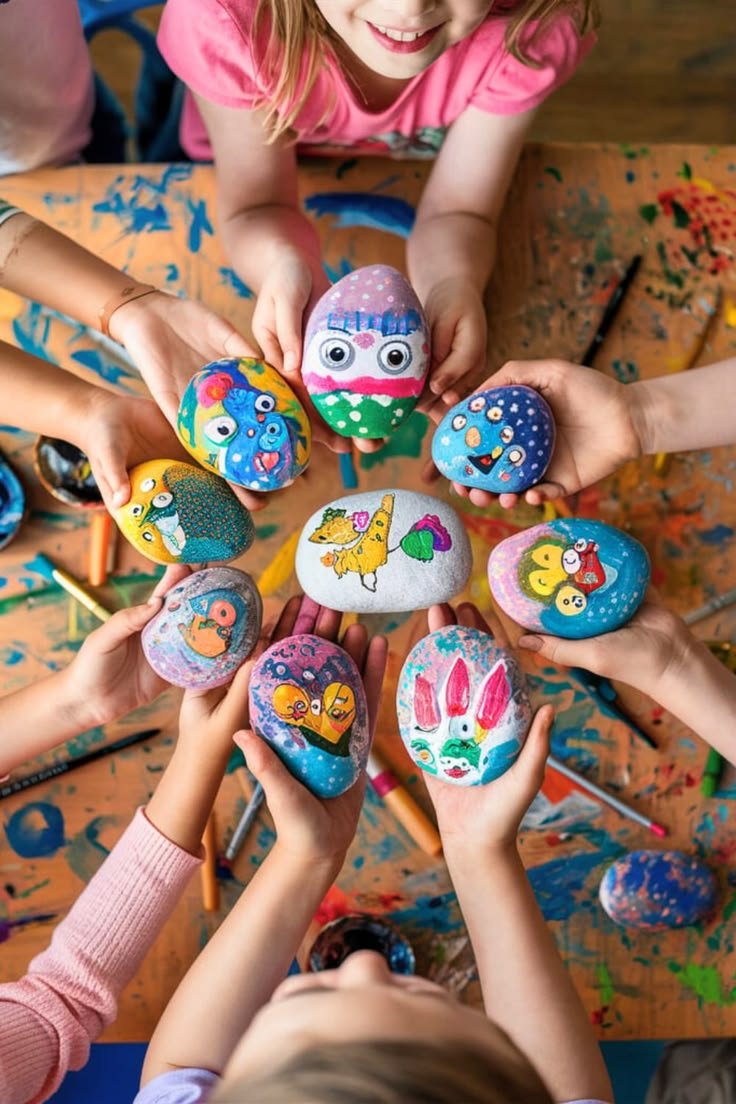
Drawing and coloring allow children to express their thoughts and emotions through art. These creative kids development activities improve imagination while strengthening the muscles needed for writing.
Children can experiment with different colors, patterns, and shapes to create unique artwork. This process builds confidence and helps them communicate ideas visually.
Benefits of drawing and coloring:
- Enhances creativity.
- Improves fine motor control.
- Develops color recognition.
- Encourages self-expression.
- Increases focus and attention.
4. Puzzle Games
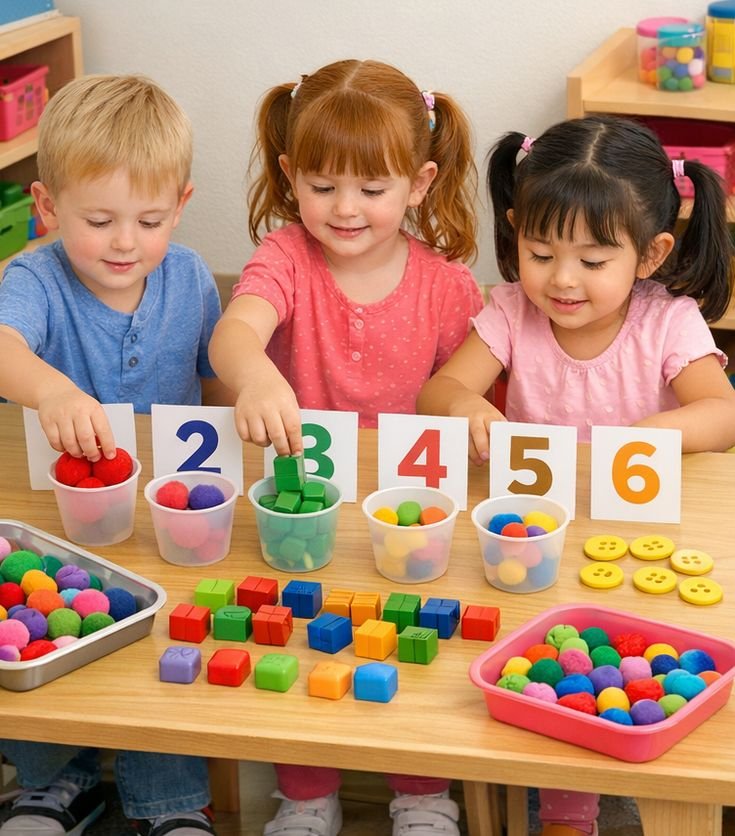
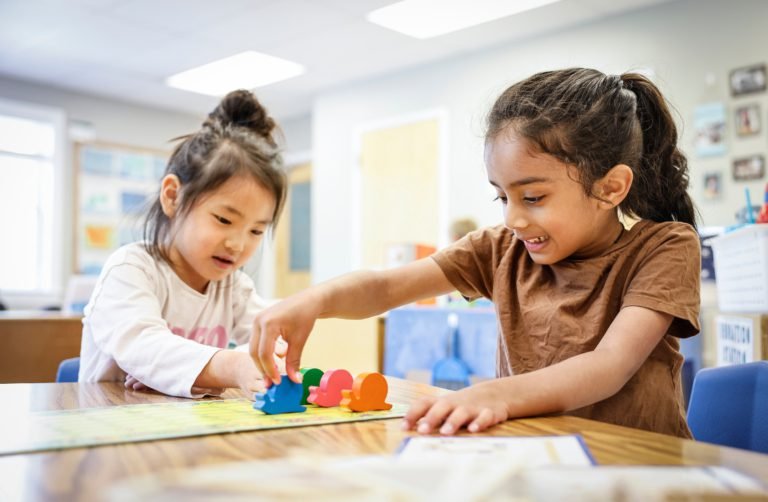
Puzzle games challenge children to think critically while finding solutions. Whether using jigsaw puzzles, matching games, or number puzzles, children learn to observe details, recognize patterns, and solve problems independently.
Completing puzzles also teaches perseverance because children learn that patience and effort lead to success.
Benefits of puzzle games:
- Improves logical thinking.
- Strengthens memory.
- Develops problem-solving skills.
- Increases concentration.
- Builds confidence after completing challenges.
5. Outdoor Physical Play
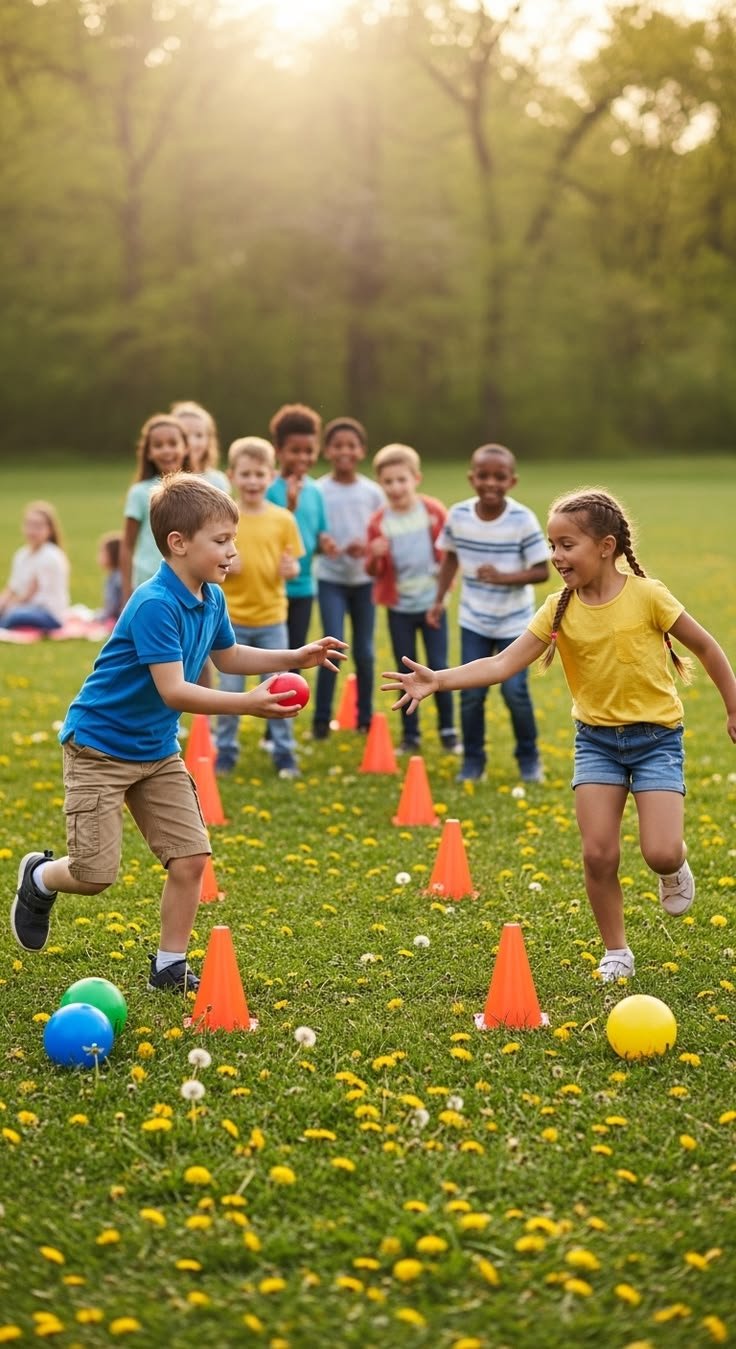
Outdoor activities are essential for healthy childhood development. Running, jumping, cycling, climbing, and playing games help children stay physically active while improving balance, coordination, and endurance.
Outdoor play also reduces stress, boosts mood, and encourages teamwork when children play with friends or siblings.
Benefits of outdoor physical play:
- Improves physical fitness.
- Strengthens muscles and bones.
- Develops gross motor skills.
- Encourages teamwork and cooperation.
- Supports overall health and well-being.
6. Music and Dance
Music and dance combine learning with movement, making them some of the most exciting kids development activities. Singing songs, clapping rhythms, and dancing improve listening skills, memory, coordination, and confidence.
Music also helps children recognize sounds, patterns, and language while encouraging emotional expression.
Benefits of music and dance:
- Improves memory and listening skills.
- Develops rhythm and coordination.
- Boosts self-confidence.
- Encourages creativity.
- Supports emotional development.
7. Sensory Activities
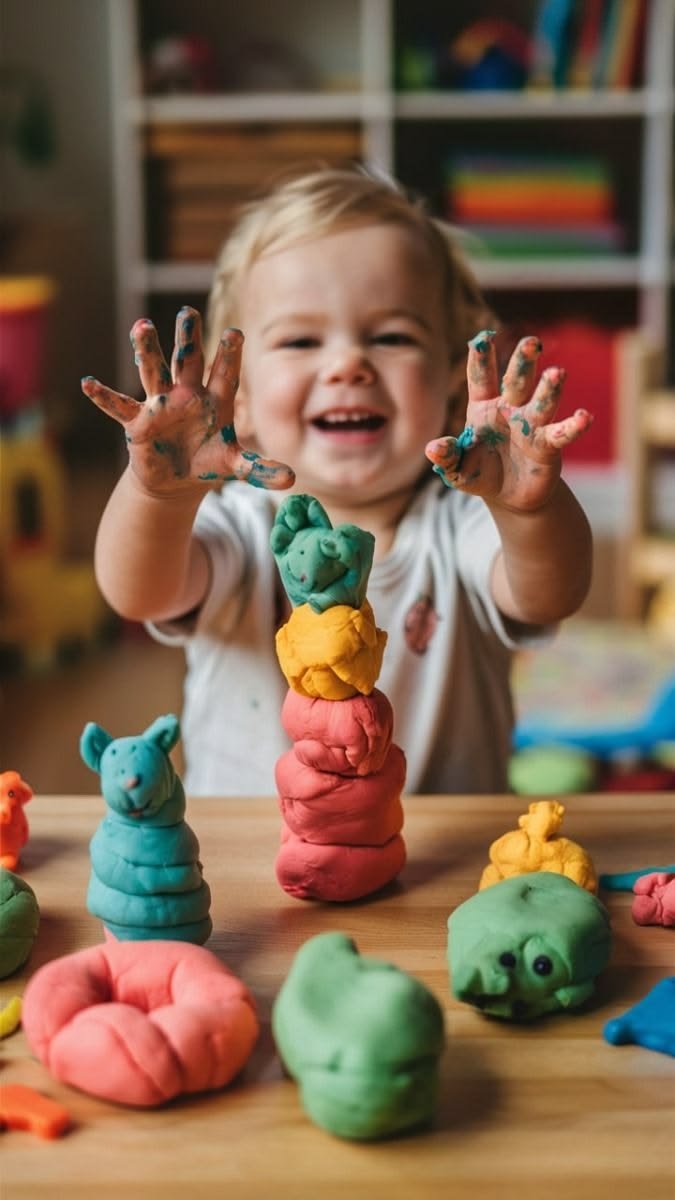
Sensory play allows children to explore different textures, colors, sounds, smells, and movements. Activities such as playing with sand, water, clay, rice, or sensory bins stimulate the brain and encourage exploration.
Sensory experiences are especially beneficial for toddlers because they help build connections between the senses and the brain.
Benefits of sensory activities:
- Enhances cognitive development.
- Improves fine motor skills.
- Encourages curiosity.
- Supports language development.
- Helps children understand their surroundings.
8. Pretend Play
Pretend play encourages children to use their imagination by acting as doctors, teachers, chefs, shopkeepers, firefighters, or superheroes. Through role-playing, children learn communication, empathy, creativity, and social interaction.
Pretend play also teaches children how to solve everyday problems and understand different perspectives.
Benefits of pretend play:
- Builds communication skills.
- Encourages creativity and imagination.
- Develops emotional intelligence.
- Improves social interaction.
- Strengthens decision-making skills.
9. Craft Activities
Craft activities such as paper folding, cutting, painting, gluing, and making simple DIY projects encourage creativity while improving hand control and coordination.
Children enjoy creating something unique with their own hands, which increases confidence and motivates them to learn new artistic skills.
Benefits of craft activities:
- Improves fine motor development.
- Enhances creativity.
- Builds patience and concentration.
- Encourages independent thinking.
- Develops problem-solving skills.
10. Simple Science Experiments
Simple science experiments make learning exciting by allowing children to observe, predict, and discover how things work. Easy activities like growing plants, mixing colors, making a volcano model, or observing magnets encourage curiosity and critical thinking.
These experiments teach children to ask questions, explore ideas, and understand basic scientific concepts through hands-on learning.
Benefits of simple science experiments:
- Develops scientific thinking.
- Encourages curiosity.
- Improves observation skills.
- Strengthens analytical abilities.
- Makes learning enjoyable and interactive.
Why Consistency Matters
Introducing kids development activities into your child’s daily routine creates a strong foundation for lifelong learning. Even spending 20 to 30 minutes each day on engaging activities can significantly improve brain development, creativity, communication, confidence, and problem-solving skills.
The key is to choose activities that match your child’s age, interests, and abilities while creating a positive and enjoyable learning environment. Regular practice helps children develop new skills naturally and builds a love for learning that lasts a lifetime.

Benefits of Kids Development Activities
Regular participation in kids development activities supports a child’s overall growth and prepares them for future learning and life experiences. These activities do much more than keep children entertained—they help build essential skills that contribute to academic success, healthy relationships, and self-confidence. By engaging in meaningful learning experiences every day, children develop strong foundations that benefit them throughout their lives.
Brain Development
The first few years of a child’s life are crucial for brain development. During this stage, the brain forms millions of neural connections that support learning, memory, and decision-making. Engaging in kids development activities such as puzzles, storytelling, memory games, and simple science experiments stimulates brain function and improves cognitive abilities.
These activities encourage children to think, observe, ask questions, and solve problems independently. As a result, they become more curious learners who enjoy exploring new ideas and discovering the world around them.
Communication Skills
Good communication is an essential life skill that begins developing during early childhood. Reading storybooks, singing songs, participating in conversations, and role-playing games help children express their thoughts and emotions more confidently.
These activities improve vocabulary, listening skills, pronunciation, and sentence formation while encouraging children to interact with parents, teachers, and friends. Strong communication skills also help children build healthy relationships and perform better in school.
Creativity
Creativity allows children to think beyond limits and express their unique ideas. Activities such as drawing, painting, craft projects, music, dance, and imaginative play encourage children to explore different possibilities without fear of making mistakes.
Creative experiences also improve innovation, self-expression, and confidence while helping children develop flexible thinking skills that can be applied to real-life situations.
Problem-Solving Skills
Problem-solving is one of the most valuable skills children can develop. Activities like puzzles, building blocks, matching games, and science experiments encourage children to analyze situations, think critically, and find solutions independently.
As children overcome small challenges during play, they become more patient, resilient, and confident in handling bigger challenges as they grow.
Motor Skills
Motor skills are essential for everyday activities such as writing, dressing, eating, running, and playing. Kids development activities help strengthen both fine and gross motor skills through enjoyable experiences.
Fine motor skills improve when children draw, color, cut paper, build with blocks, or complete craft projects. Gross motor skills develop through outdoor games, jumping, climbing, dancing, and sports. Strong motor skills improve coordination, balance, and overall physical fitness.
Social Skills
Children learn valuable social skills by interacting with others during games and group activities. Sharing toys, taking turns, cooperating with teammates, and solving conflicts teach children how to communicate respectfully and work together.
These experiences help children develop empathy, kindness, patience, leadership, and teamwork, making it easier for them to build positive friendships and adapt to different social environments.
Emotional Development
Understanding and managing emotions is an important part of healthy childhood development. Activities such as storytelling, pretend play, music, and family games help children recognize their feelings and express them in positive ways.
Children also learn empathy by understanding how others feel, which strengthens emotional intelligence and supports healthy relationships throughout life.
Confidence Building
Every time a child completes a puzzle, finishes a drawing, learns a new song, or builds something with blocks, they experience a sense of achievement. These small successes gradually build self-confidence and encourage children to try new activities without fear of failure.
Confident children are more willing to participate in learning, ask questions, share ideas, and overcome challenges with a positive attitude.
How Parents Can Make Kids Development Activities More Effective
Parents play a vital role in making kids development activities enjoyable and meaningful. With the right approach, everyday moments can become valuable learning opportunities that support a child’s growth and development.
Create a Daily Routine
Set aside a specific time each day for learning and play. A consistent routine helps children develop good habits and look forward to their daily activities. Even 20 to 30 minutes of focused play can make a significant difference in their development.
Limit Screen Time
While educational digital content can be useful, excessive screen time may reduce opportunities for active learning and social interaction. Encourage children to spend more time reading, creating, playing outdoors, and exploring hands-on activities that stimulate their imagination and physical development.
Encourage Independent Learning
Allow children to complete tasks on their own instead of providing immediate help. Giving them the freedom to explore, experiment, and solve simple problems independently builds confidence, critical thinking, and decision-making skills.
Praise Every Small Achievement
Recognizing a child’s efforts motivates them to continue learning. Celebrate progress with kind words, encouragement, or small rewards. Positive reinforcement helps children develop self-esteem and creates a love for learning.
Join Your Child During Activities
Spending quality time together strengthens the parent-child bond while making learning more enjoyable. Reading stories, playing games, doing crafts, or exploring nature together creates lasting memories and encourages children to stay engaged.
Common Mistakes Parents Should Avoid
Even with the best intentions, some parenting habits can reduce the effectiveness of kids development activities. Avoiding these common mistakes can help children enjoy learning and reach their full potential.
Forcing Learning
Every child learns at their own pace. Pressuring children to perform beyond their abilities can create stress and reduce their interest in learning. Instead, encourage them with patience, support, and age-appropriate activities.
Too Much Screen Time
Spending excessive time on mobile phones, tablets, or television can limit opportunities for physical activity, creativity, and face-to-face communication. Balance digital learning with active play and real-world experiences.
Comparing Children
Each child develops differently. Comparing one child with another may lower confidence and create unnecessary pressure. Focus on your child’s individual progress, strengths, and achievements instead.
Ignoring Physical Activities
Physical movement is just as important as academic learning. Encourage children to run, jump, play sports, dance, or participate in outdoor games to support healthy growth, improve coordination, and maintain overall well-being.
By avoiding these common mistakes and creating a supportive learning environment, parents can ensure that kids development activities become enjoyable experiences that nurture confident, curious, and well-rounded children.
Conclusion
Kids development activities are much more than simple games or ways to keep children busy—they are powerful learning experiences that shape a child’s future. Every activity, whether it’s reading a story, solving a puzzle, painting a picture, building with blocks, or playing outdoors, helps children develop important life skills that support their overall growth.
By including kids development activities in your child’s daily routine, you can help improve their cognitive abilities, creativity, communication, emotional intelligence, physical coordination, and confidence. The best part is that learning doesn’t have to be complicated or expensive. Simple, enjoyable, and age-appropriate activities can make a significant difference in your child’s development.
Remember that every child learns at their own pace. Encourage curiosity, celebrate small achievements, and create a positive environment where your child feels safe to explore and discover new things. Consistent participation in kids development activities will help children become confident learners, independent thinkers, and happy individuals ready to succeed in every stage of life.
Investing time in your child’s development today is one of the greatest gifts you can give for a brighter tomorrow.
Frequently Asked Questions (FAQs)
1. What are kids development activities?
Kids development activities are fun and educational experiences that help children improve their physical, mental, emotional, social, language, and cognitive skills. These activities include reading, storytelling, puzzles, drawing, outdoor games, music, sensory play, craft projects, and many other hands-on learning experiences that support a child’s overall development.
2. Why are kids development activities important?
Kids development activities are important because they help children build essential life skills while making learning enjoyable. These activities improve brain development, communication, creativity, confidence, motor skills, problem-solving abilities, and social interaction. They also prepare children for school and encourage lifelong learning through play and exploration.
3. Which activities improve brain development in children?
Many activities help improve brain development, including reading storybooks, solving puzzles, building blocks, memory games, drawing, sensory play, music, simple science experiments, and educational board games. These activities strengthen memory, concentration, logical thinking, creativity, and decision-making skills while encouraging children to explore and learn independently.
4. How much time should children spend on development activities each day?
Most experts recommend spending at least 20 to 60 minutes each day on meaningful learning and play activities, depending on the child’s age and interests. The focus should be on consistency and quality rather than the duration. Even short daily sessions of engaging activities can have a positive impact on a child’s overall development.
5. How can parents make kids development activities more enjoyable?
Parents can make kids development activities more enjoyable by choosing age-appropriate games, encouraging creativity, participating in activities together, praising their child’s efforts, creating a daily routine, and allowing children to learn through play instead of forcing them to memorize information. A fun and supportive environment helps children stay motivated and develop a love for learning.
Call to Action (CTA)
Looking for more creative and educational ideas to support your child’s growth? Explore our collection of fun kids development activities designed to improve learning, creativity, confidence, and overall development. Start introducing one new activity each day and watch your child learn, grow, and thrive through the power of play!
10 Best Kids Development Activities for Smart Learning
Table of Contents Introduction Every parent wants their child to grow into a confident, intelligent, and happy individual. One of
Hello world!
Welcome to WordPress. This is your first post. Edit or delete it, then start writing!